
Why "Perfect Posture" Is the Wrong Goal
Posture gets blamed for a lot.
Neck pain? Probably posture. Back pain? Sit up straighter. Shoulder tension? Stop rounding forward.
There is some truth behind the advice. The positions we spend time in can influence how certain tissues feel. A long day at a desk, hours in the car, or repeated work in one position can make the neck, shoulders, or back feel stiff and tired.
But the idea that there is one "perfect posture" we should all maintain is too simple.
Human bodies are not designed to hold one ideal position all day. They are designed to move, adapt, load, unload, and change position. The goal is not to find a perfect posture and freeze there. The goal is to build a body that can tolerate many positions well.
Posture Is a Position, Not a Diagnosis
Posture describes your body's position in space at a given moment. It does not automatically explain pain.
A rounded upper back does not always cause neck pain. A tilted pelvis does not always cause low back pain. One shoulder sitting slightly higher than the other does not necessarily mean something is wrong.
Many people with "poor posture" have no pain. Many people with a textbook posture still develop pain.
That does not mean posture is irrelevant. It means posture is only one part of the picture. Pain is shaped by tissue capacity, strength, sleep, stress, and how long the body has been in one position without enough variation. Posture matters most when it becomes repetitive, sustained, or poorly tolerated.
The Problem Is Usually Load, Not Shape
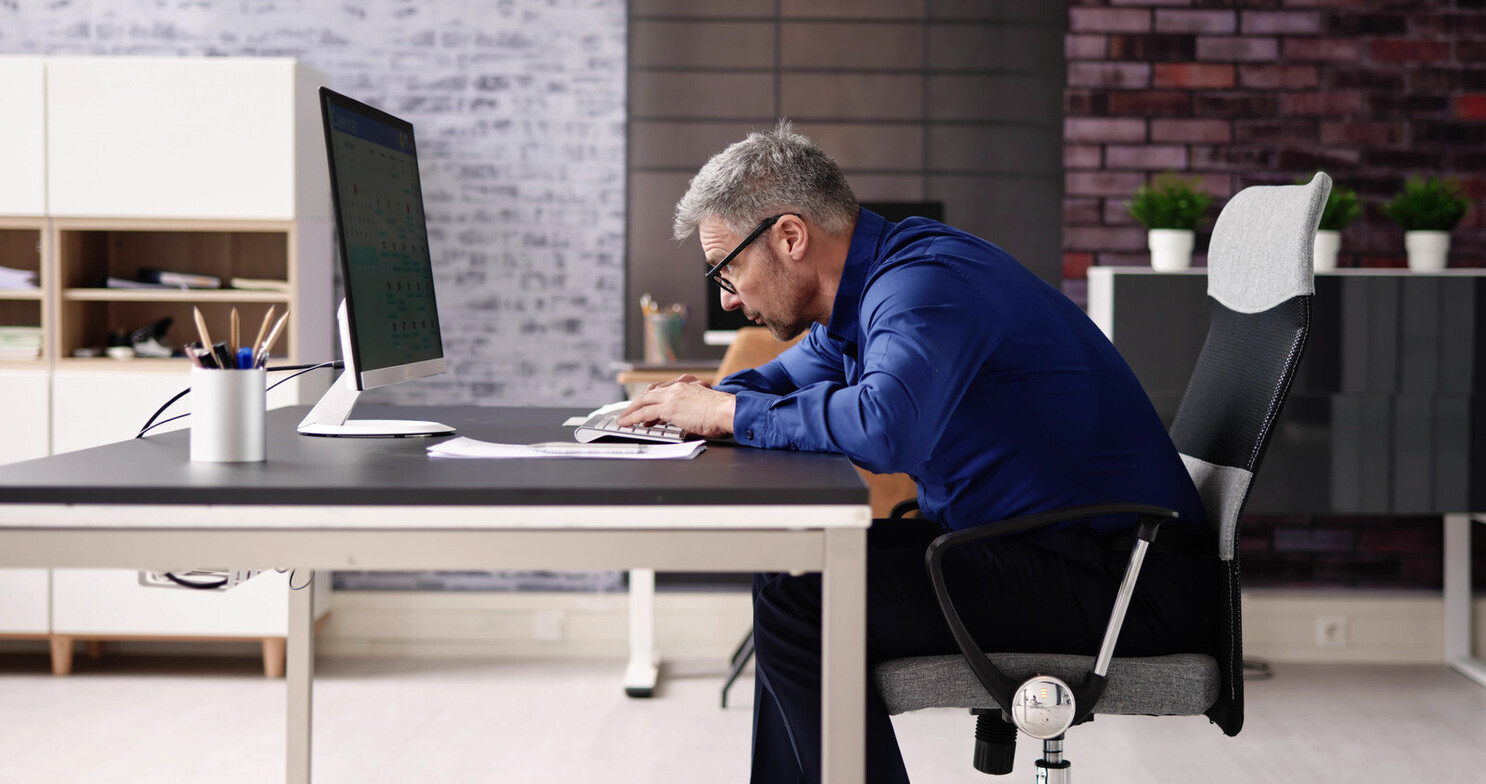
Every position places load somewhere. Sitting upright loads tissues differently than slouching. Standing loads tissues differently than sitting. Looking down at a phone loads the neck differently than looking straight ahead.
None of these positions is inherently bad. The issue is whether the tissues involved have the capacity to tolerate that position for the amount of time you are asking of them.
Sitting with a rounded spine for five minutes is rarely a problem. Sitting that way for eight hours, under stress, with little movement, poor sleep, and no regular strength work may become uncomfortable. The same is true in reverse — holding yourself rigidly upright all day can also cause fatigue and tension. Many people try so hard to sit perfectly that they end up bracing through the neck, shoulders, jaw, or lower back.
A better goal is not perfect alignment. It is better tolerance.
Your Best Posture Is Often Your Next Posture
The body likes variability.
Changing position helps distribute load across different tissues. It gives some muscles a break while others contribute. It changes joint pressure, improves circulation, and reminds the nervous system that movement is available and safe.
This is why you may feel better after standing up, walking around, stretching, or simply shifting your sitting position. The improvement is not necessarily because one position was correct and the other was wrong. It may simply be because the body needed a change.
This is also why ergonomic changes can help, but rarely solve everything on their own. A better chair, monitor height, or desk setup may reduce unnecessary strain, but no setup eliminates the need for movement. Even the best workstation becomes a problem if the body never leaves it.
What Gets Posture Wrong
One common mistake is assuming pain means the body is damaged or misaligned. Most posture-related discomfort is not a sign that the spine is out of place. More often, it reflects irritation, fatigue, or reduced capacity in tissues that have been asked to do the same thing for too long.
Another mistake is overcorrecting. You may have been told to pull your shoulders back, squeeze your shoulder blades, brace your core, or sit tall at all times. These cues can be useful for a while, but they are not meant to become a permanent holding pattern. Constant correction can make you hyperaware of your posture and more fearful of normal movement — and that fear can increase tension and reduce confidence.
A third mistake is treating posture as a flexibility problem. Stretching tight areas may provide short-term relief, but if the underlying issue is low strength, poor endurance, or lack of movement variety, stretching alone rarely creates lasting change. The body needs both mobility and capacity.
Posture and Pain Are Not Always Directly Related
It is tempting to look at posture and assume it explains why something hurts. Clinically, it is rarely that simple.
Two people can have identical postures and completely different symptoms. One feels fine. The other has daily pain. The difference is often not the visible shape — it is history, load tolerance, strength, stress, recovery, and movement habits.
This matters because blaming posture alone can make you feel fragile. It creates the impression that every rounded shoulder, forward head position, or slouched moment is harmful. That is not accurate.
The spine is strong, and the body is adaptable. Most positions are safe when you have the capacity to tolerate them and when they are not held for excessive periods without variation.
What to Focus On Instead
A more useful approach starts with awareness, not fear.
Notice which positions feel relieving and which become uncomfortable over time. Pay attention to how long it takes symptoms to build. Observe whether movement breaks help. This gives useful information without turning posture into an obsession.
The next priority is variability. Change positions before discomfort becomes intense. Stand up. Walk. Shift how you are sitting. Use a standing desk part of the day if one is available. Move the neck, shoulders, hips, and spine through comfortable ranges throughout the day. Small changes done consistently often matter more than one dramatic correction.
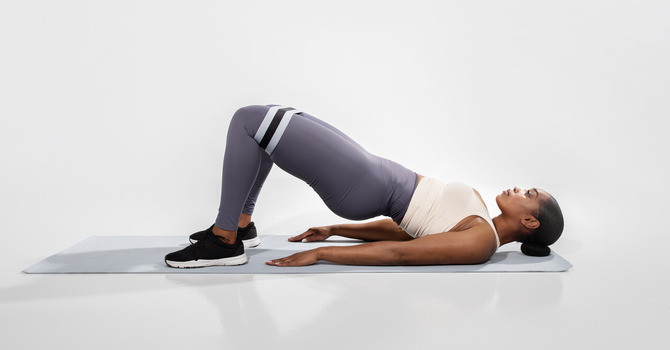
Strength also matters. The better your muscles tolerate load, the less likely it is that ordinary positions will become irritating. For desk-related neck and shoulder symptoms, this may include strengthening the upper back, shoulders, and neck. For low back discomfort, it may include strengthening the trunk, hips, and legs.
The goal is not to force the body into better posture. The goal is to give the body more options.
Closing Thought
Perfect posture is an appealing idea because it sounds simple. But the body is more capable than that framing gives it credit for.
Rather than chasing one ideal position, a more useful goal is building the capacity to move comfortably, tolerate load, and recover well. Posture matters — but it matters most in context, as one variable among many.
The best approach is not rigid correction. It is thoughtful movement, progressive capacity, and confidence in what your body can do.

Edward Boudreau
Contact Me

.png)
