
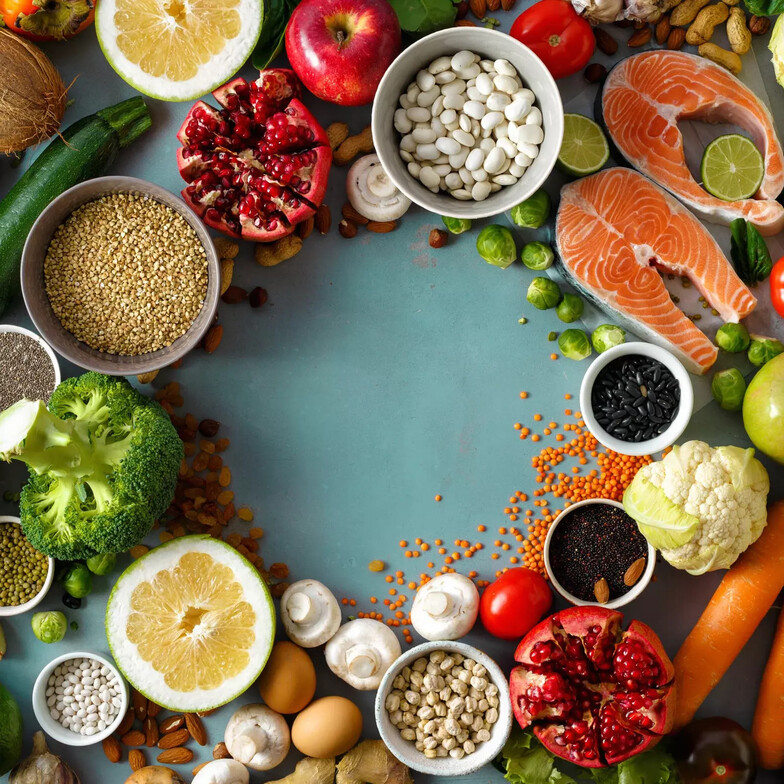
How Nutrition Affects Joint Health
Joint pain is one of the most common reasons people seek care. Whether it’s stiffness in the knees, aching shoulders, low back discomfort, or lingering pain from old injuries, joints often take the blame. While movement, posture, and injury history are critical factors, nutrition plays a significant, frequently underestimated role in joint health.
The foods you eat influence inflammation, tissue repair, cartilage health, muscle strength, and even how sensitive your nervous system is to pain. In this article, we’ll explore how nutrition affects joint health, which nutrients matter most, and how dietary habits can either support or undermine long-term joint function.
Understanding Joint Health
Joints are complex systems made up of:
- Bone
- Cartilage
- Ligaments
- Tendons
- Synovial fluid
- Surrounding muscles and connective tissue
Healthy joints rely on a balance between load and recovery. Nutrition provides the raw materials needed for that recovery. Without adequate nutrients, even the best exercise or treatment plan may fall short.
Chronic inflammation, poor tissue repair, and loss of muscle mass can all increase joint stress, and nutrition strongly influences each of these processes.
Inflammation: Friend and Foe
Inflammation is not inherently bad. Acute inflammation is part of the normal healing process. However, chronic low-grade inflammation can damage joint tissues over time and contribute to pain, stiffness, and degenerative changes.
Diet is one of the biggest drivers of chronic inflammation.
According to the Cleveland Clinic, dietary patterns high in ultra-processed foods, refined sugars, and unhealthy fats are associated with increased systemic inflammation (https://health.clevelandclinic.org/anti-inflammatory-diet).
Reducing inflammatory load through nutrition can:
- Decrease joint pain
- Improve stiffness
- Support cartilage and tendon health
- Enhance recovery from activity or injury
Macronutrients and Joint Health
Protein: The Foundation of Joint Support
Protein is critical for joint health, especially as we age. Tendons, ligaments, cartilage, and muscle are all protein-based tissues. Without adequate protein intake, the body struggles to repair and maintain these structures.
Protein supports:
- Muscle strength (which reduces joint stress)
- Tendon and ligament repair
- Cartilage maintenance
- Recovery from injury and exercise
Research suggests that older adults benefit from higher protein intake than previously recommended, particularly when combined with resistance training. This aligns with guidance often discussed by longevity and performance experts.
Practical target:
- Approximately 0.8-1.0 g/lb of lean body weight per day, depending on activity level and goals
Good protein sources include:
- Lean meats and poultry
- Fish
- Eggs
- Greek yogurt and cottage cheese
- Legumes and tofu
- Whey or plant-based protein supplements
Maintaining muscle mass is one of the most effective ways to protect joints over time.
Carbohydrates: Fuel for Movement and Recovery
Carbohydrates provide energy for movement and exercise. When carbohydrate intake is too low, people may experience fatigue, poor exercise tolerance, and slower recovery, all of which can increase joint strain.
Focus on fiber-rich, whole-food carbohydrates, such as:
- Fruits and vegetables
- Beans and lentils
- Whole grains
- Root vegetables
Fiber also supports gut health, which plays a role in inflammation regulation and immune function.
Fats: Essential for Joint and Cellular Health
Healthy fats help regulate inflammation and support joint lubrication and cellular integrity.
Particularly important are omega-3 fatty acids, which have been shown to reduce inflammatory markers and may help with joint stiffness and discomfort (https://www.ncbi.nlm.nih.gov/pmc/articles/PMC6357022/).
Sources include:
- Fatty fish (salmon, sardines)
- Flaxseed and chia seeds
- Walnuts
- High-quality fish oil supplements
Excessive intake of omega-6 fats from highly processed seed oils may promote inflammation when not balanced with omega-3s.
Micronutrients That Support Joint Health
Vitamin D
Vitamin D supports bone health, muscle function, and immune regulation. Low vitamin D levels are associated with increased musculoskeletal pain and weakness.
The NIH reports that many adults are deficient, especially those with limited sun exposure (https://ods.od.nih.gov/factsheets/VitaminD-Consumer/).
Magnesium
Magnesium plays a role in muscle relaxation, nerve function, and the control of inflammation. Deficiency may contribute to muscle tension and increased pain sensitivity.
Sources include:
- Leafy greens
- Nuts and seeds
- Whole grains
Vitamin C
Vitamin C is essential for collagen synthesis, which is a major component of cartilage, tendons, and ligaments.
Sources include:
- Citrus fruits
- Berries
- Bell peppers
- Broccoli
Hydration and Joint Health
Synovial fluid, the lubricant inside joints, is primarily water. Even mild dehydration can reduce joint lubrication and increase stiffness.
Hydration also supports:
- Nutrient transport
- Waste removal
- Muscle performance
For active individuals or those in warmer climates like Winston-Salem, North Carolina, hydration and electrolyte balance are especially important.
Body Weight, Nutrition, and Joint Load
Excess body weight increases mechanical stress on joints, particularly the knees, hips, and spine. Nutrition that supports healthy body composition, preserving muscle while reducing excess fat, can significantly reduce joint strain.
Even modest weight reduction has been shown to decrease knee joint load and pain in individuals with osteoarthritis (https://www.arthritis.org/health-wellness/healthy-living/weight-loss).
Gut Health and Joint Inflammation
Emerging research suggests a link between gut health and systemic inflammation. Diets high in fiber and fermented foods may support a healthier gut microbiome, which in turn helps regulate immune responses.
Foods that support gut health include:
- Yogurt and kefir
- Sauerkraut and kimchi
- High-fiber plant foods
How Nutrition Fits Into Joint Care
At Arthrology Chiropractic in Winston-Salem, we view joint health through a comprehensive lens. Nutrition works alongside movement, strength training, mobility work, and chiropractic care to support long-term joint resilience.
Patients who optimize nutrition often experience:
- Better recovery from treatment
- Improved exercise tolerance
- Reduced inflammation
- More durable pain relief
Nutrition complements movement and manual care; it does not replace them. In fact, it enhances their effectiveness.
Simple Nutrition Strategies to Start With
If joint health is a priority, start with these basics:
- Prioritize protein at each meal
- Eat a variety of colorful fruits and vegetables
- Include omega-3-rich foods weekly
- Stay well hydrated
- Limit ultra-processed foods and added sugars
Consistency matters more than perfection.
Next Steps
If joint pain, stiffness, or recurring injuries are limiting your activity, addressing movement alone may not be enough. At Arthrology Chiropractic in Winston-Salem, we take a comprehensive approach to musculoskeletal health, including how nutrition, movement, and recovery work together.
Schedule a visit to learn how improving joint health from the inside out can support long-term function, resilience, and performance.

Edward Boudreau
Contact Me


.png)
