
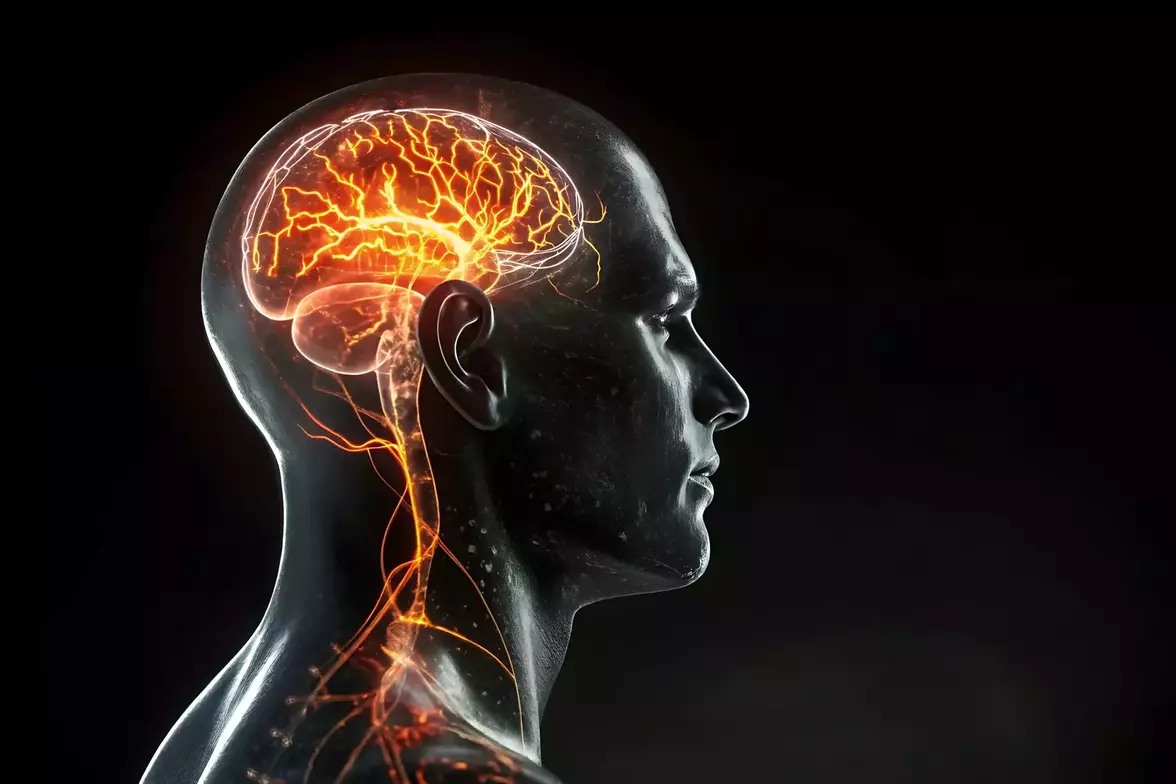
The Nervous System and Chronic Pain: A Modern Perspective
Pain is one of the most common reasons people seek healthcare. For many, pain begins after an injury and resolves with time. But for others, pain persists long after tissues should have healed. This ongoing discomfort—often labeled “chronic pain”—can feel confusing, frustrating, and discouraging.
Modern science has transformed how we understand chronic pain. Today, we know that pain is not simply a reflection of tissue damage. Instead, it is strongly influenced by how the nervous system processes and interprets signals. Understanding this shift can change how people view their pain and how they approach recovery.
This article explores how the nervous system contributes to chronic pain, why pain can persist without apparent injury, and how modern care focuses on restoring nervous system balance rather than treating tissues alone.
What Is Chronic Pain?
Chronic pain is typically defined as pain lasting longer than three months. It may begin after an injury, surgery, illness, or repetitive strain. In some cases, the original tissue issue has healed, yet the pain remains.
Common examples include:
- Chronic low back pain
- Neck and shoulder pain
- Headaches
- Fibromyalgia
- Persistent joint or tendon pain
- Post-surgical pain
For years, chronic pain was viewed primarily as a structural problem. Today, research shows that pain is best understood as a nervous system experience influenced by physical, emotional, and environmental factors.
Pain Is a Protective Signal
Pain is not inherently bad; it exists to protect us. When you touch something hot, pain signals you to pull away. When you sprain an ankle, pain encourages you to rest.
Pain is produced when the brain interprets signals as threatening. Those signals come from nerves in the skin, muscles, joints, and organs. However, pain is not generated in the tissue—it is generated in the brain.
The Cleveland Clinic explains that pain is a complex sensory and emotional experience shaped by the nervous system (https://www.ccjm.org/content/90/4/245).
The Nervous System’s Role in Pain
The nervous system consists of:
- Peripheral nerves
- Spinal cord
- Brain
These structures work together to detect, transmit, and interpret sensory information. In chronic pain, this system becomes overly sensitive, a process known as central sensitization.
With central sensitization:
- Nerves fire more easily
- Pain signals become amplified
- Normal sensations may feel painful
- Pain lasts longer than expected
This does not mean the pain is “in your head.” It means the nervous system has learned to stay in a protective state.
Why Pain Can Persist Without Injury
Many people are confused when imaging shows “nothing serious,” yet pain continues. This happens because pain does not depend solely on tissue damage. It depends on how the nervous system interprets signals.
Factors that influence pain perception include:
- Previous injuries
- Stress and anxiety
- Sleep quality
- Fear of movement
- Past pain experiences
- Emotional health
The National Institutes of Health recognizes that chronic pain involves changes in the nervous system, not just tissues (https://www.ninds.nih.gov/health-information/disorders/pain).
The Brain and Pain Memory
The brain is excellent at learning patterns. When pain recurs, the brain becomes better at eliciting pain responses. This is sometimes called “pain memory.”
Over time:
- The threshold for pain decreases
- The nervous system stays in a protective mode
- Muscles remain guarded
- Movement becomes restricted
This is why chronic pain often feels unpredictable and out of proportion to activity.
Stress, Emotions, and Pain
The nervous system does not distinguish between physical and emotional stress. Both influence pain.
Stress increases cortisol and nervous system activation. This can:
- Increase muscle tension
- Reduce circulation
- Lower pain tolerance
- Delay tissue recovery
Anxiety and fear about pain can also reinforce pain pathways. This does not mean pain is imaginary—it means the nervous system is responding to perceived threat.
The Mayo Clinic notes that stress and emotional health strongly influence chronic pain experiences (https://mcpress.mayoclinic.org/living-well/the-dimensions-of-chronic-pain/).
Movement and the Nervous System
Movement is one of the most potent ways to retrain the nervous system.
Gentle, progressive movement helps:
- Reduce fear
- Improve blood flow
- Normalize nerve sensitivity
- Restore confidence
Avoidance of movement often reinforces pain. Safe, guided motion helps the nervous system learn that movement is not dangerous.
Why Chronic Pain Feels So Real
Chronic pain is real. It involves measurable changes in nerve signaling, brain processing, and muscular activity. Modern imaging studies show differences in brain activity in people with chronic pain.
Pain is not a moral failure, a weakness, or something to “push through.” It is a nervous system condition that deserves informed, compassionate care.
A Modern Approach to Chronic Pain Care
Modern pain care focuses on:
- Education about pain science
- Gradual exposure to movement
- Nervous system regulation
- Improving sleep and stress management
- Restoring confidence in movement
This approach recognizes that pain improves when the nervous system feels safe, supported, and capable.
How Chiropractic and Movement-Based Care Fit In
At Arthrology Chiropractic in Winston-Salem, we view chronic pain through a nervous system lens. Our approach focuses on:
- Restoring joint and tissue movement
- Improving movement patterns
- Reducing nervous system sensitivity
- Supporting patient confidence in motion
- Integrating lifestyle factors such as sleep, stress, and activity
Chiropractic manipulation, soft tissue work, exercise guidance, and education all influence the nervous system—not just the joints.
What This Means for Patients
If you have chronic pain:
- You are not broken
- Your pain is real
- Your nervous system is trying to protect you
- Recovery is possible
Understanding pain reduces fear. Reduced fear lowers nervous system sensitivity. Lower sensitivity allows movement. Movement restores function.
This cycle is the foundation of modern pain recovery.
Practical Steps to Support a Healthier Nervous System
Simple actions that support nervous system balance include:
- Consistent movement
- Quality sleep
- Breathing exercises
- Stress management
- Gradual activity exposure
- Positive movement experiences
These strategies work together to calm the nervous system over time.
Key Takeaways
- Chronic pain involves the nervous system, not just tissues
- Pain is a protective response shaped by experience
- The nervous system can become sensitized
- Stress and emotions influence pain perception
- Movement retrains the nervous system
- Education reduces fear and improves recovery
Next Steps
If you are dealing with chronic pain and feel stuck, you are not alone—and you are not out of options.
At Arthrology Chiropractic in Winston-Salem, we take a modern, evidence-informed approach to chronic pain that respects both the body and the nervous system. Schedule a visit to learn how understanding your pain can be the first step toward restoring confidence, movement, and long-term comfort.

Edward Boudreau
Contact Me


.png)
