

Breathing Mechanics During Exercise: Why How You Breathe Matters More Than You Think
Breathing is an automatic process that occurs thousands of times each day without conscious thought. However, during exercise, the way you breathe and the effectiveness of your breathing mechanics can significantly impact your performance, recovery, and even your risk of injury.
Many people focus on strength, flexibility, or cardiovascular fitness while overlooking breathing mechanics. Yet breathing plays a direct role in posture, spinal stability, oxygen delivery, and nervous system regulation. Poor breathing patterns can limit exercise tolerance, increase fatigue, and contribute to neck, back, and shoulder tension.
In this article, we’ll explore proper breathing mechanics during exercise, why they matter, common breathing mistakes, and how improving your breathing can support better movement and performance.
What Are Breathing Mechanics?
Breathing mechanics refer to how air moves into and out of the lungs and how the muscles of respiration coordinate with posture and movement.
Efficient breathing involves:
- The diaphragm
- The rib cage
- The abdominal muscles
- The pelvic floor
- Coordination with spinal and core muscles
Proper breathing is not just about oxygen intake. It plays a role in:
- Core stability
- Movement efficiency
- Energy management
- Nervous system regulation
During exercise, breathing must adapt to increased demands while maintaining coordination with movement.
The Diaphragm: More Than a Breathing Muscle
The diaphragm is the primary muscle of respiration. It is a dome-shaped muscle that separates the chest cavity from the abdominal cavity.
When you inhale:
- The diaphragm contracts and moves downward
- The rib cage expands outward
- Air is drawn into the lungs
When you exhale:
- The diaphragm relaxes and moves upward
- The rib cage recoils
- Air leaves the lungs
In addition to breathing, the diaphragm plays a critical role in:
- Spinal stability
- Postural control
- Intra-abdominal pressure regulation
The Cleveland Clinic highlights the diaphragm’s role in both breathing and core stability, especially during physical activity (https://my.clevelandclinic.org/health/articles/9445-diaphragmatic-breathing).
Breathing and Core Stability During Exercise
The core is not just your abdominal muscles. It includes the diaphragm, the deep abdominal muscles, the pelvic floor, and the spinal stabilizers. These structures work together to create intra-abdominal pressure, which stabilizes the spine during movement.
Proper breathing mechanics help:
- Protect the spine during lifting
- Improve force transfer through the body
- Reduce compensatory muscle tension
- Improve efficiency during exercise
When breathing is shallow or uncoordinated, other muscles—often in the neck, shoulders, or lower back—compensate. This compensation can increase fatigue and elevate the risk of strain or injury.
Common Breathing Errors During Exercise
Many people develop inefficient breathing patterns without realizing it, especially under stress or fatigue.
Common issues include:
1. Chest-Dominant Breathing
Breathing primarily into the upper chest instead of expanding the rib cage and abdomen. This often leads to overuse of neck and shoulder muscles and reduced oxygen efficiency.
2. Breath Holding
Holding the breath during exertion can temporarily increase stability, but excessive or uncontrolled breath holding can raise blood pressure and limit endurance.
3. Shallow, Rapid Breathing
Fast, shallow breathing reduces oxygen exchange and can increase feelings of anxiety or fatigue.
4. Poor Coordination with Movement
Breathing out of sync with movement patterns, such as inhaling during exertion instead of exhaling, can disrupt stability and efficiency.
Breathing Mechanics in Different Types of Exercise
Strength Training
During resistance training, breathing supports spinal stability and force production.
General guidelines:
- Inhale during the lowering (eccentric) phase
- Exhale during the lifting (concentric) phase
- Maintain rib cage expansion rather than collapsing the chest
For heavier lifts, managing breath control is typically safer and more sustainable than prolonged breath holding for most people.
Cardiovascular Exercise
Efficient breathing plays a vital role in oxygen delivery, endurance, and how laborious exercise feels. While breathing naturally becomes faster as intensity increases, good breathing mechanics can help delay fatigue and improve overall exercise tolerance.
Helpful strategies include:
- Nasal breathing during low- to moderate-intensity exercise, which can encourage slower, more controlled breathing
- Using rhythmic breathing patterns (for example, inhaling for two steps and exhaling for two steps while running)
- Avoiding excessive, shallow mouth breathing at lower intensities, which can increase perceived effort
The Mayo Clinic notes that breathing rate and the ability to carry on a conversation during exercise are practical ways to monitor aerobic intensity, often referred to as the “talk test.” If you can talk but not sing, you are likely exercising at a moderate intensity; if you cannot say more than a few words without pausing for breath, intensity is high. This method helps individuals regulate effort without relying on devices or heart-rate monitors.
You can read more about the talk test and monitoring exercise intensity here:
https://www.mayoclinic.org/healthy-lifestyle/fitness/in-depth/exercise-intensity/art-20046887
Yoga, Pilates, and Mobility Work
These practices emphasize controlled breathing to support movement, relaxation, and nervous system balance.
Benefits include:
- Improved body awareness
- Reduced muscle tension
- Enhanced coordination between breath and movement
Breathing, the Nervous System, and Performance
Breathing influences the autonomic nervous system, which controls stress and recovery responses.
- Slow, controlled breathing supports the parasympathetic (“rest and digest”) state
- Rapid, shallow breathing can increase sympathetic (“fight or flight”) activation
During exercise, proper activation of the nervous system is essential. However, improper breathing can lead to excessive stress, which decreases performance and prolongs recovery time.
Learning to control breathing can improve:
- Exercise tolerance
- Recovery between sets
- Overall training quality
Breathing and Pain or Injury
Poor breathing mechanics are often associated with:
- Neck and shoulder tension
- Low back pain
- Rib and thoracic stiffness
- Reduced core stability
At Arthrology Chiropractic in Winston-Salem, we frequently see patients whose breathing patterns contribute to movement dysfunction and pain. Improving breathing mechanics can be an essential part of reducing symptoms and improving long-term movement quality.
Simple Ways to Improve Breathing Mechanics
You don’t need complicated drills to start improving your breathing.
Try these basics:
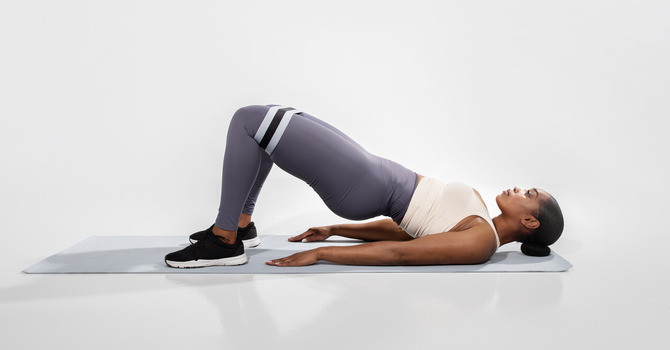
- Practice diaphragmatic breathing while lying on your back
- Focus on rib cage expansion, not chest lifting
- Coordinate exhalation with exertion
- Slow your breathing during rest periods
- Avoid unnecessary breath holding
Small changes can produce noticeable improvements in comfort and performance.
How Breathing Fits Into a Comprehensive Exercise Approach
Breathing mechanics should be integrated with:
- Strength training
- Mobility work
- Postural awareness
- Recovery strategies
It is not about perfect breathing—it’s about efficient, adaptable breathing that supports movement rather than limits it.
Key Takeaways
- Breathing mechanics influence performance, stability, and recovery
- The diaphragm plays a significant role in both breathing and core support
- Poor breathing patterns can contribute to fatigue and injury
- Coordinated breathing improves efficiency across all types of exercise
- Breathing is a trainable skill that improves with awareness and practice
Next Steps
If exercise feels harder than it should, or if you experience recurring pain, tension, or fatigue during training, breathing mechanics may be a factor.
At Arthrology Chiropractic in Winston-Salem, we assess movement patterns, posture, and breathing mechanics to help patients move more efficiently and recover more effectively. Schedule a visit to learn how improving your breathing can support better performance and long-term musculoskeletal health.

Edward Boudreau
Contact Me

.png)
